
Top Trends in Digital Art: What's Hot Right Now


Introduction to Digital Art Trends
The world of digital art is constantly evolving, driven by technological advancements and the creativity of artists worldwide. As we look to the current landscape, several trends are making waves, shaping how artists create and how audiences engage with art.

The Rise of NFTs
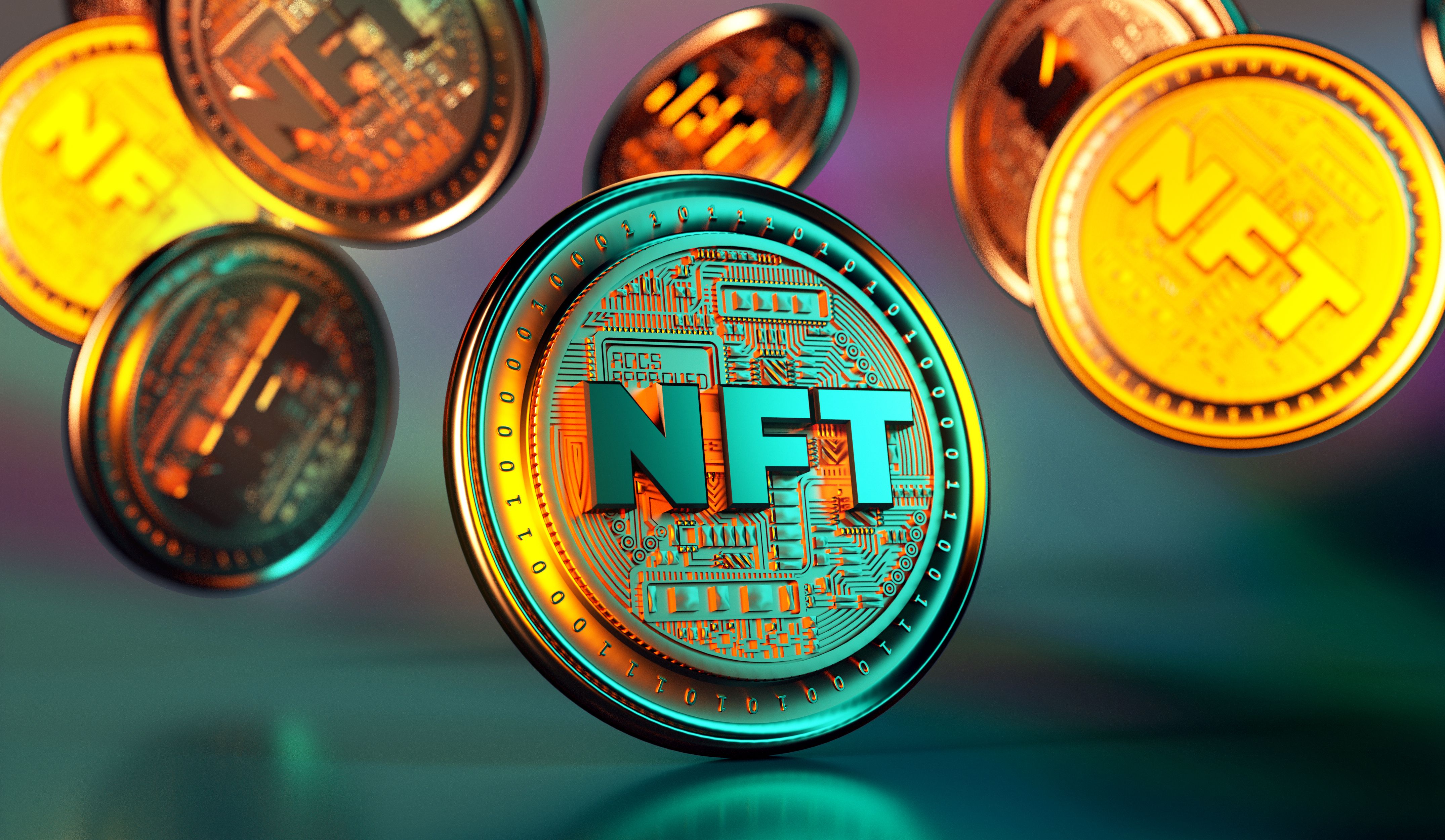
Non-fungible tokens (NFTs) have revolutionized the way digital art is bought, sold, and valued. By providing a way to authenticate ownership, NFTs have opened up new avenues for artists to monetize their work. Whether it's a digital painting, music, or video, NFTs offer artists the opportunity to reach new audiences and find value in their creations.
Impact on the Art Market
The introduction of NFTs has also significantly impacted the traditional art market. Auction houses now regularly feature NFT sales, and collectors are increasingly interested in digital assets. This trend is not just a passing fad; it's redefining what art ownership means in the digital era.
Augmented Reality (AR) and Art
Augmented reality is another trend gaining traction in the digital art space. By overlaying digital elements onto the physical world, AR offers an immersive experience for viewers. Artists are using AR to bring their creations to life, allowing audiences to interact with art in entirely new ways.
Interactive Exhibitions
Many galleries and museums are incorporating AR into their exhibitions, enhancing the visitor experience. This technology allows artists to add layers of meaning and interactivity to their work, encouraging deeper engagement and exploration.
AI-Generated Art
Artificial intelligence is playing an increasingly pivotal role in digital art. AI algorithms can generate complex artworks, pushing the boundaries of creativity and technique. While some debate the role of AI in art creation, there's no denying its influence on the industry.
Collaboration Between Humans and Machines
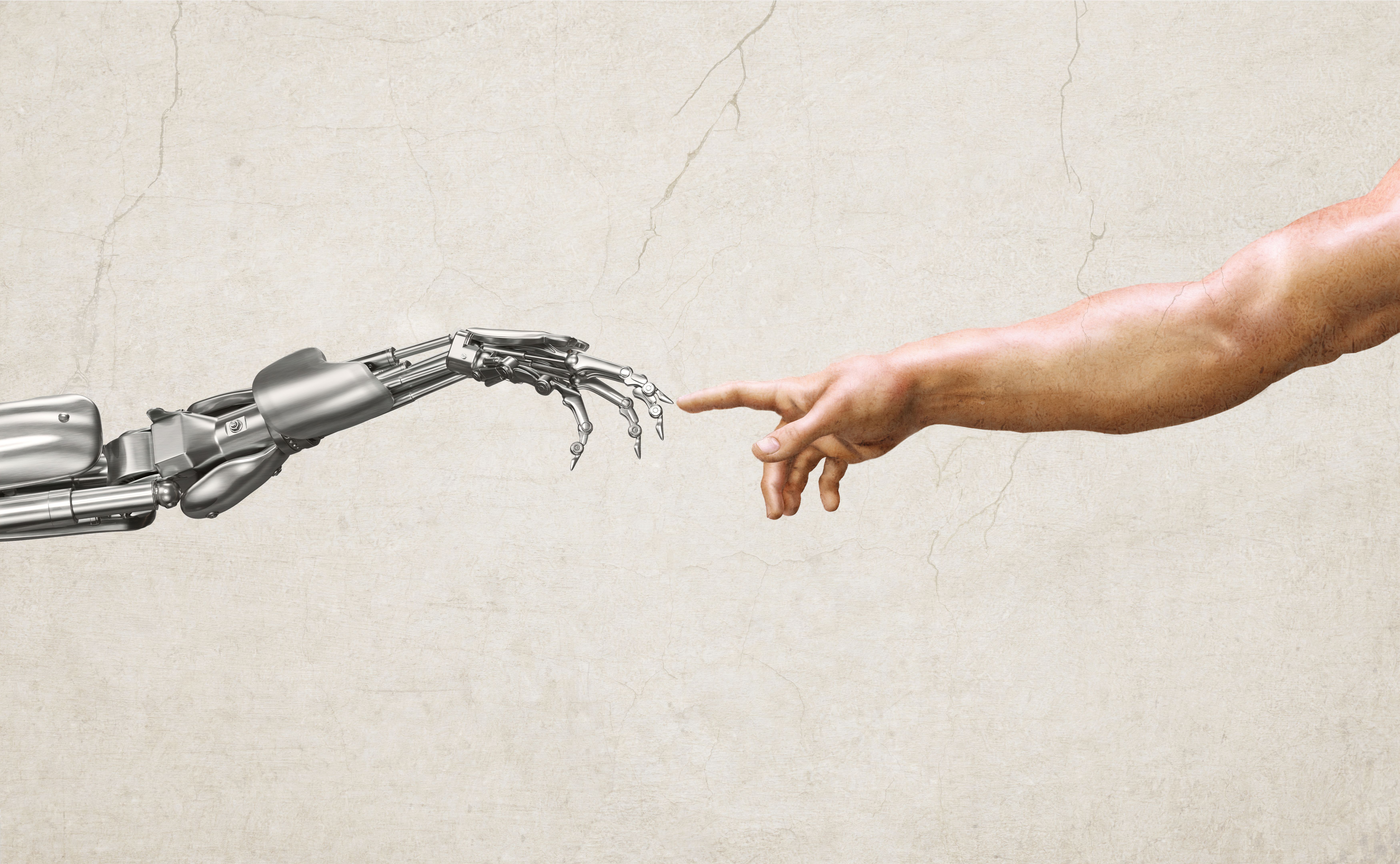
AI provides tools that artists can use to explore new creative possibilities. By collaborating with machines, artists can produce innovative works that blend human intuition with computational power, resulting in unique artistic expressions.
Sustainability in Digital Art
As environmental concerns grow, sustainability in digital art is becoming a focal point. Artists are exploring ways to reduce the carbon footprint of their digital creations, from more energy-efficient tools to greener NFTs. This trend reflects a broader movement towards responsible and sustainable artistic practices.
Eco-Friendly Technologies
Innovations in technology are enabling artists to create with less environmental impact. From using renewable energy sources for powering servers to optimizing digital processes, artists are finding ways to align their practices with ecological values.

Conclusion
These trends highlight the dynamic nature of digital art and its potential for growth and innovation. As technology continues to advance, artists will have more tools at their disposal to push the boundaries of creativity. Whether through NFTs, AR, AI, or sustainability efforts, the digital art scene is vibrant and full of possibilities.