
Top Digital Art Trends Transforming the Art Scene


Introduction to Digital Art Trends
The art scene is undergoing a remarkable transformation, driven by rapid advancements in digital technology. Artists and creators are continually exploring new methods to express their visions, leading to the emergence of exciting digital art trends. These trends are not only redefining artistic expression but are also impacting how audiences engage with art.
AI-Generated Art
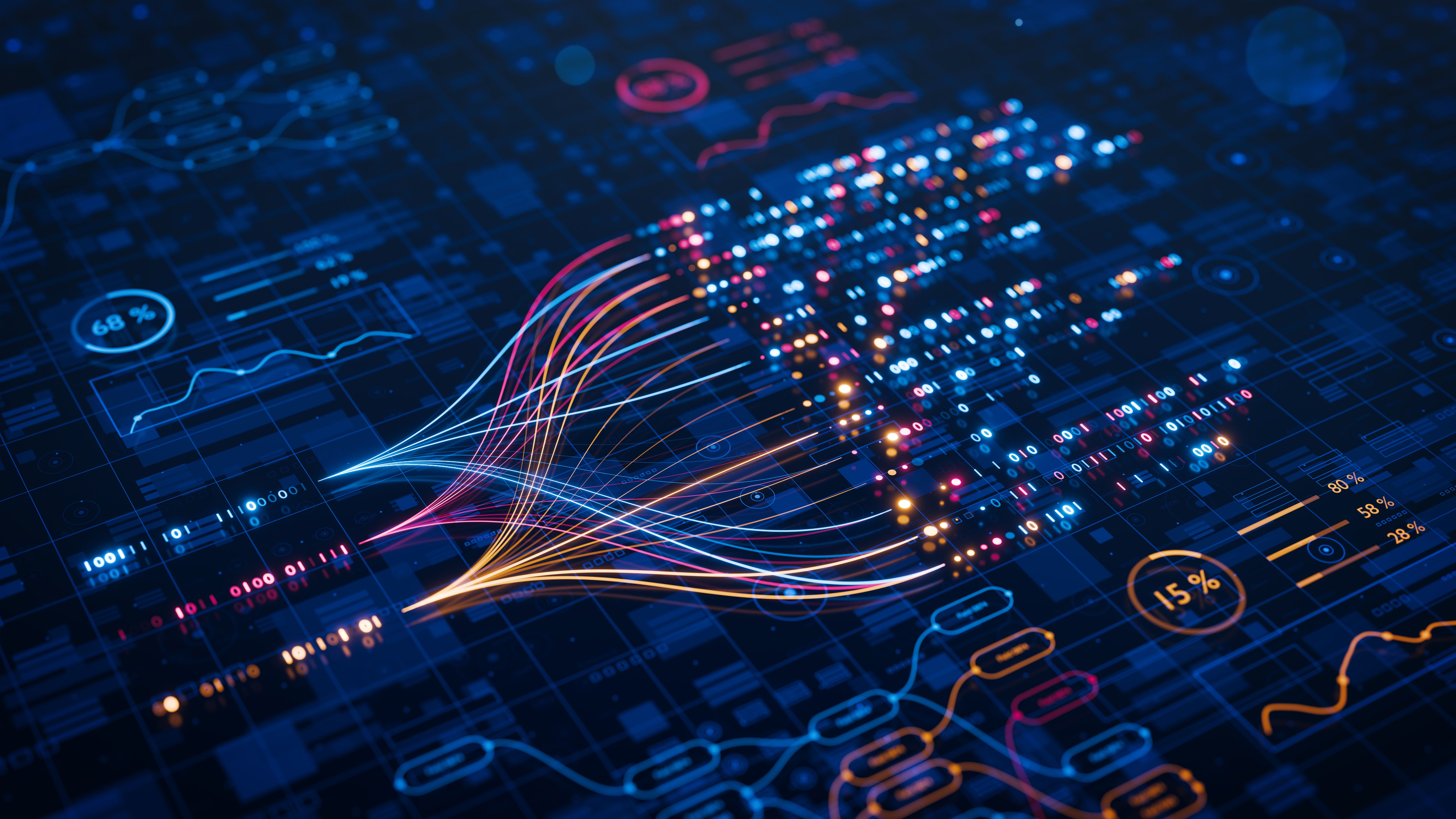
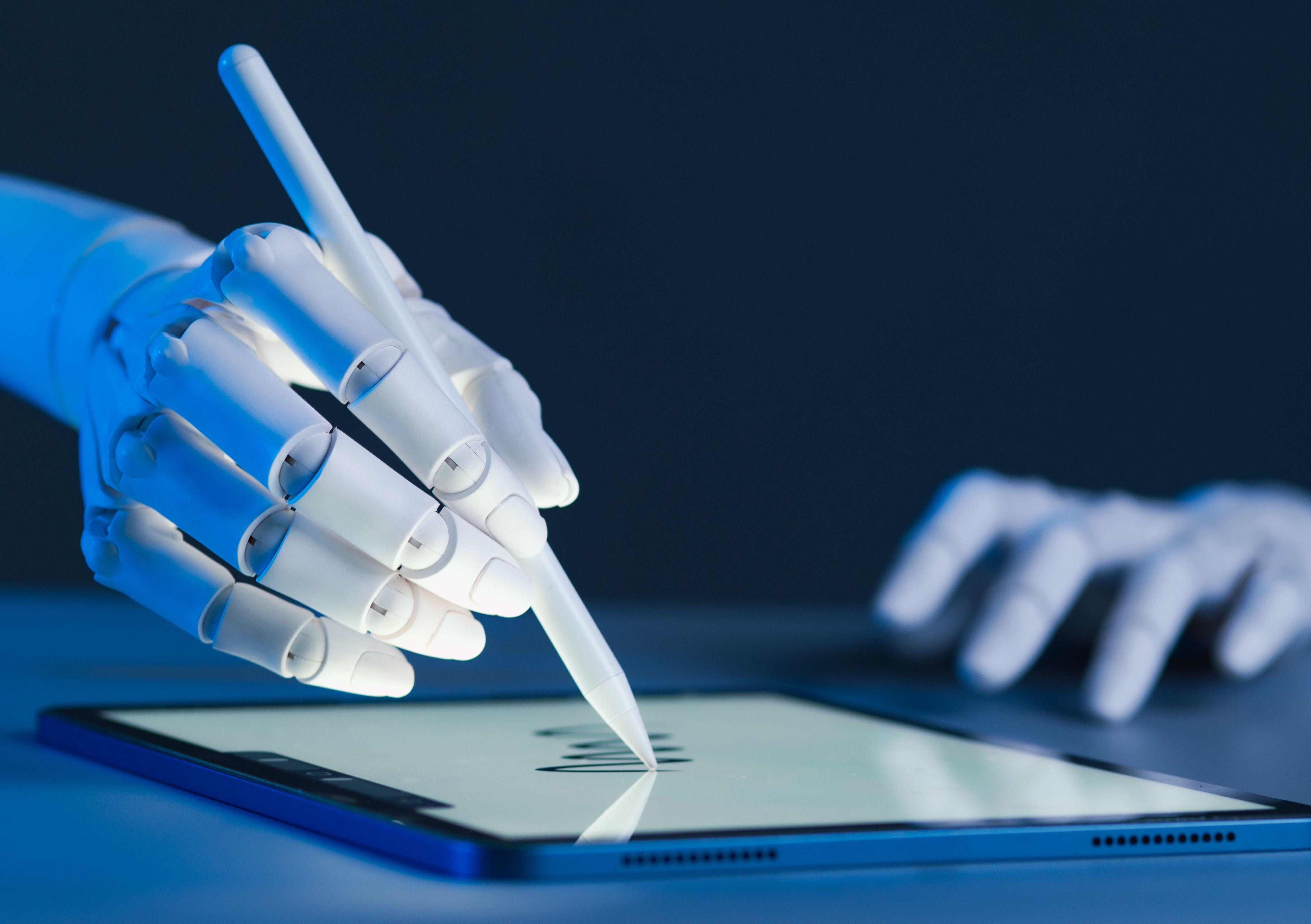
One of the most groundbreaking trends is the use of AI-generated art. Artists are leveraging artificial intelligence to create pieces that challenge traditional notions of creativity. AI algorithms can analyze vast amounts of data to produce unique artwork, often in collaboration with human artists. This fusion of human creativity and machine intelligence is opening new frontiers in the art world.
How AI is Changing Art Creation
AI tools enable artists to experiment with styles and patterns that were previously unimaginable. By using AI, creators can quickly iterate on ideas, leading to more dynamic and innovative works. This technology is also making art more accessible, allowing individuals without formal training to produce professional-quality pieces.
Augmented Reality in Art
Augmented Reality (AR) is revolutionizing the way art is experienced. By overlaying digital content onto the physical world, AR allows for immersive and interactive art experiences. This trend is particularly popular in exhibitions and installations, where viewers can engage with art in a more profound way.
Applications of AR in Art Exhibitions
Artists are using AR to create interactive installations that react to viewer movements or inputs. Museums and galleries are adopting AR to provide enhanced experiences, such as guided tours with digital elements or virtual interaction with historical artifacts. This trend is enriching the way audiences appreciate art.
Virtual Reality Art
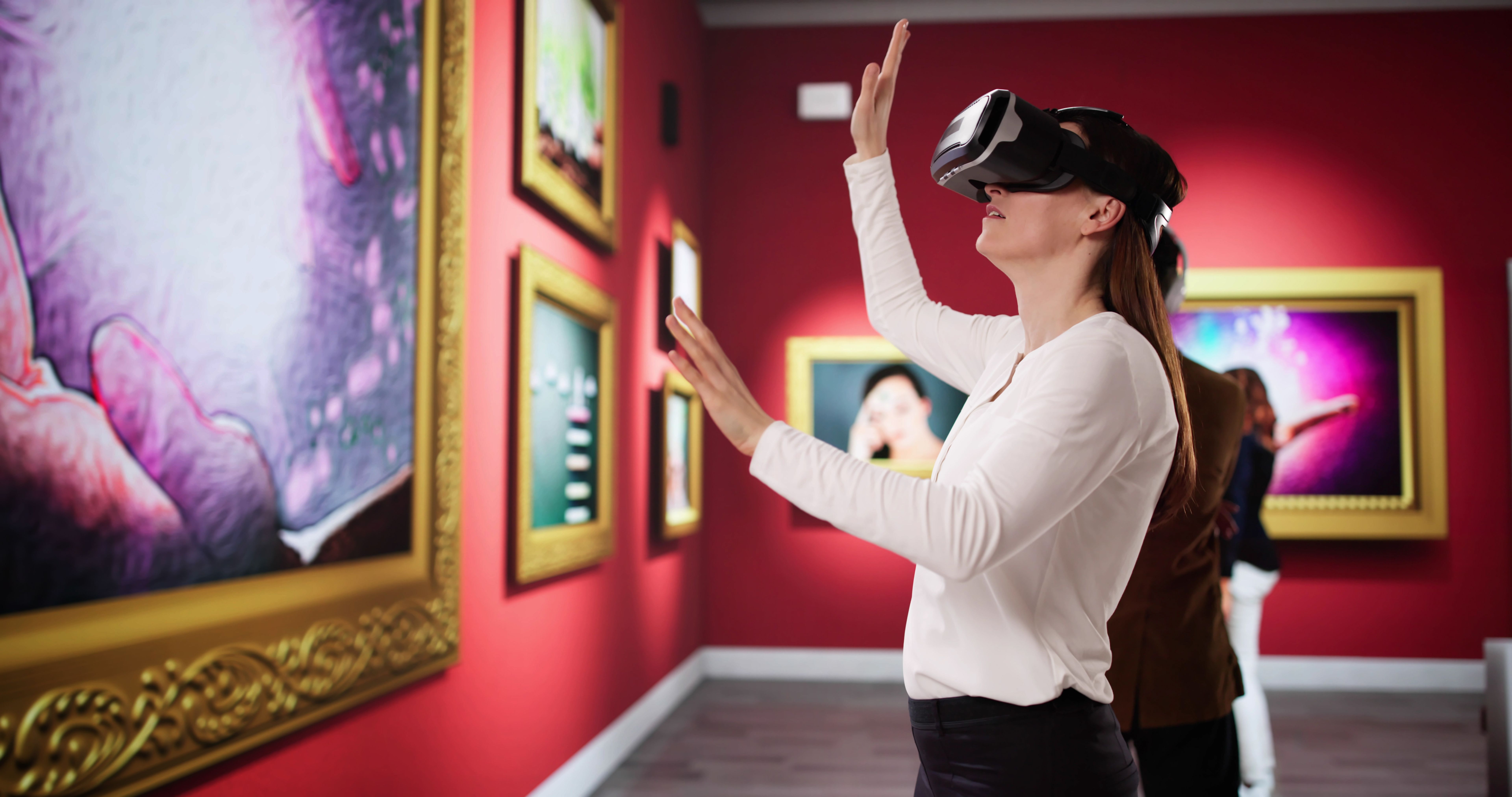
Virtual Reality (VR) offers another dimension to digital art by transporting viewers into entirely new worlds. VR art is an immersive experience that allows viewers to step inside digital creations, offering a level of engagement that traditional art forms cannot match. This technology is expanding the possibilities of storytelling and emotional connection in art.
The Impact of VR on Art Creation
VR tools enable artists to build 3D environments and experiences that challenge the boundaries of imagination. This trend is fostering collaborations across disciplines, as artists work with technologists to bring complex virtual worlds to life. VR is also democratizing art by allowing global audiences to experience exhibitions from the comfort of their homes.
NFTs and Digital Ownership
The emergence of Non-Fungible Tokens (NFTs) is reshaping the art market by enabling digital ownership. NFTs provide a way to authenticate and sell digital art, granting artists new revenue streams. This trend is empowering creators to monetize their work while ensuring originality and provenance.
How NFTs are Revolutionizing the Art Market
NFTs offer artists a platform to reach global audiences, bypassing traditional gatekeepers like galleries and auction houses. The blockchain technology behind NFTs ensures secure transactions and ownership records, attracting collectors and investors to the digital art space. This trend is also sparking debates about the future of art ownership and distribution.
Conclusion
The digital art landscape is rapidly evolving, with trends like AI, AR, VR, and NFTs leading the charge. These innovations are not only transforming how art is created and experienced but are also reshaping the entire art ecosystem. As technology continues to advance, the potential for digital art is boundless, offering exciting opportunities for artists and audiences alike.