
The Role of Digital Art in Modern Interior Design


The Emergence of Digital Art
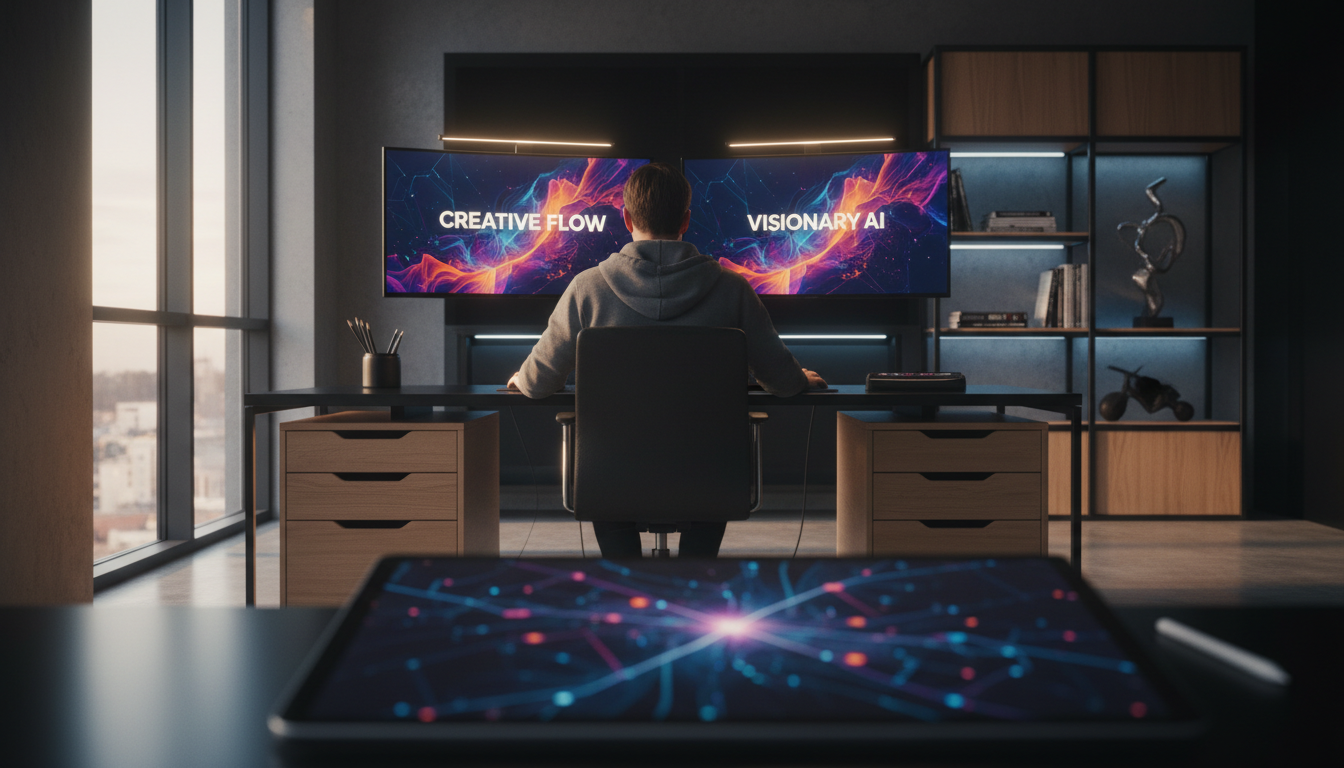
In recent years, digital art has emerged as a revolutionary force in the realm of interior design. With advancements in technology, artists are now able to create stunning pieces that push the boundaries of traditional art forms. This evolution has provided homeowners and designers with a fresh palette of possibilities to enhance living spaces.
Digital art allows for a level of customization and versatility that is unparalleled. Whether it’s through animated displays or static prints, digital art can be tailored to fit the aesthetic and emotional tone of any room, offering a unique blend of creativity and technology.
Personalization and Customization
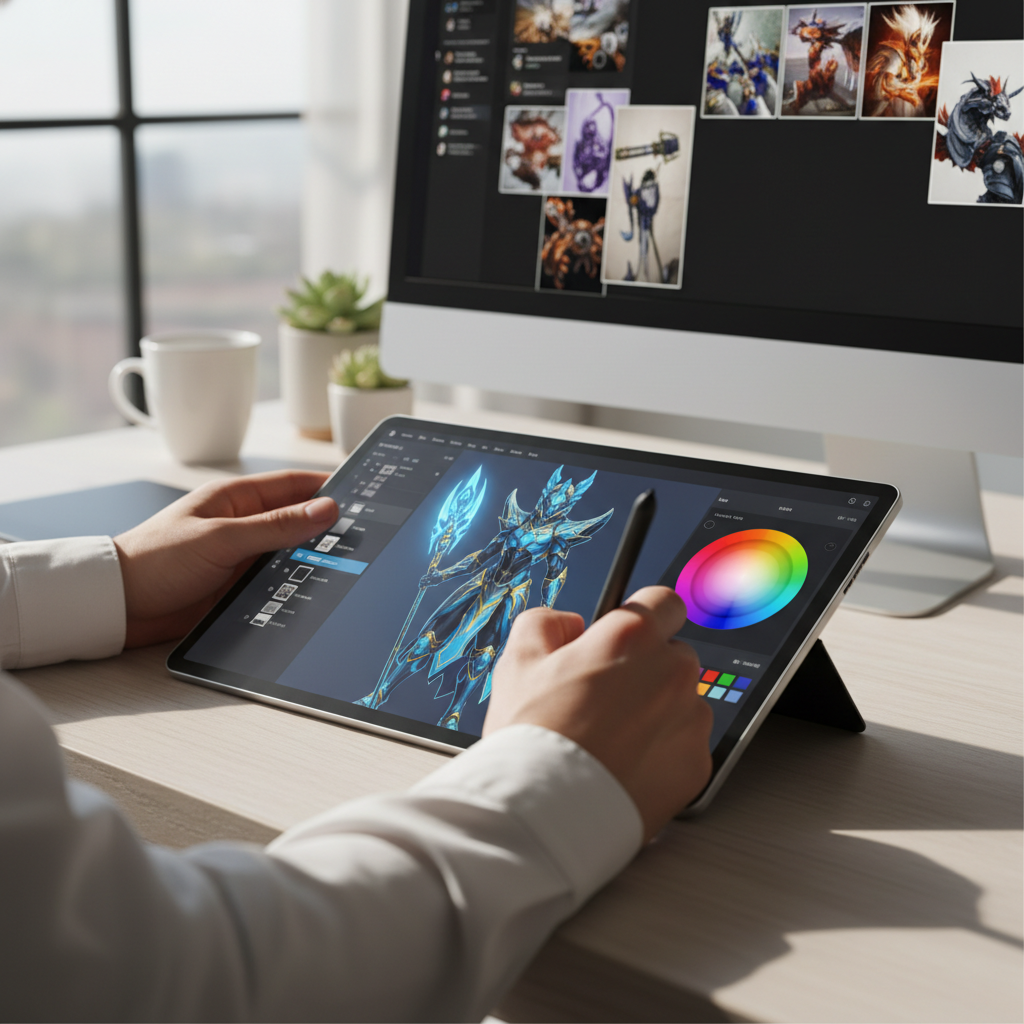
One of the most appealing aspects of digital art in interior design is its capacity for personalization. Homeowners can commission a piece tailored specifically to their tastes and the dimensions of their space. This means that every piece can be a true reflection of the individual’s style and preferences.
Moreover, digital platforms make it easier to choose from a wide range of styles, colors, and themes. This accessibility ensures that everyone, regardless of their design experience, can find something that aligns with their vision.
Flexibility in Display
Digital art offers remarkable flexibility in terms of display options. Unlike traditional art, which often requires careful placement and lighting, digital art can be displayed on a variety of screens and surfaces. This means that it can be rotated or changed with ease, providing a dynamic element to interior spaces.
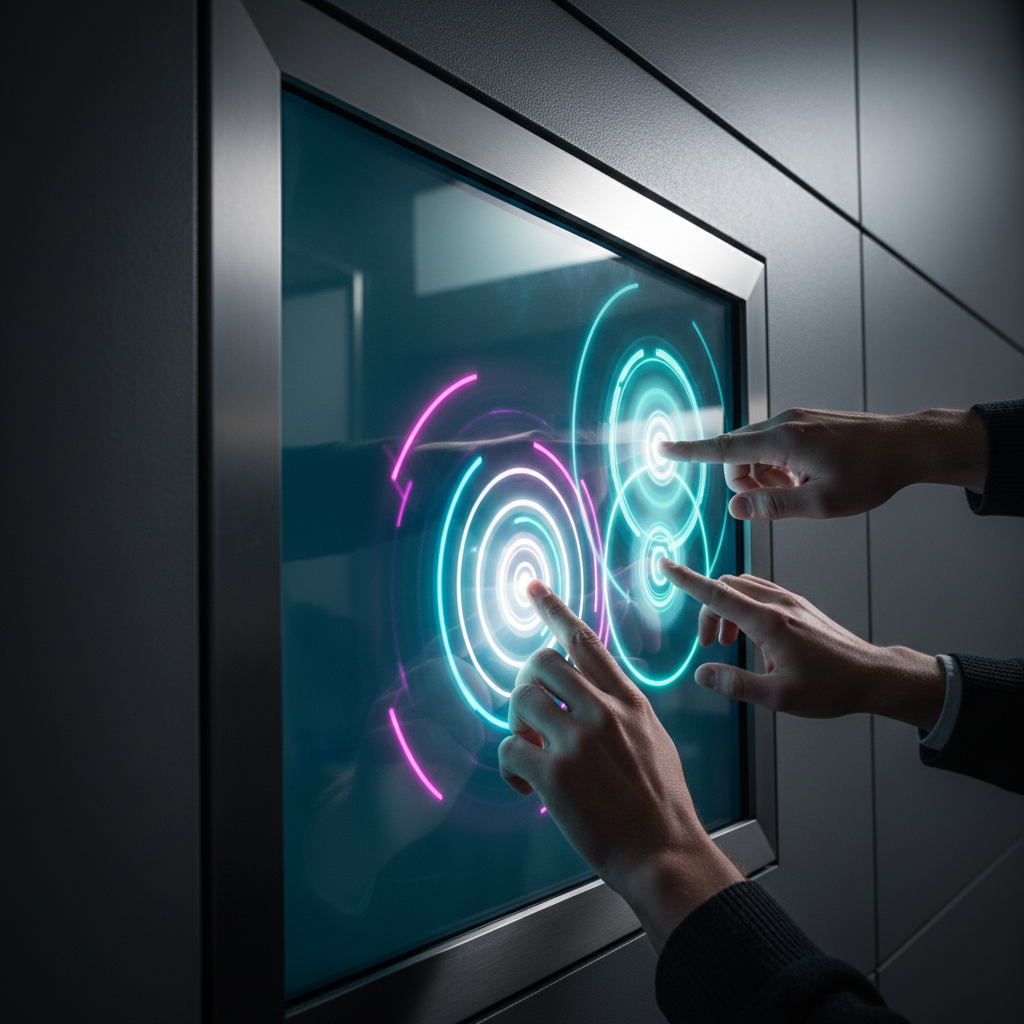
Interactive displays are becoming increasingly popular, allowing viewers to engage with art in novel ways. This interactivity can breathe life into a room, transforming it into an ever-evolving gallery.
Sustainability and Eco-Friendliness
As awareness around sustainability grows, digital art presents an eco-friendly option for modern interior design. Since it doesn’t require physical materials like canvas or paint, it reduces waste and minimizes the carbon footprint associated with traditional art production.
Additionally, digital art can be updated and reused without the need for physical replacements, making it a sustainable choice for those looking to minimize their environmental impact.
Enhancing Mood and Ambience
Digital art has the unique ability to enhance the mood and ambience of a space. With the right choice of colors and themes, digital art can create a calming, invigorating, or inspiring atmosphere, depending on the desired effect.
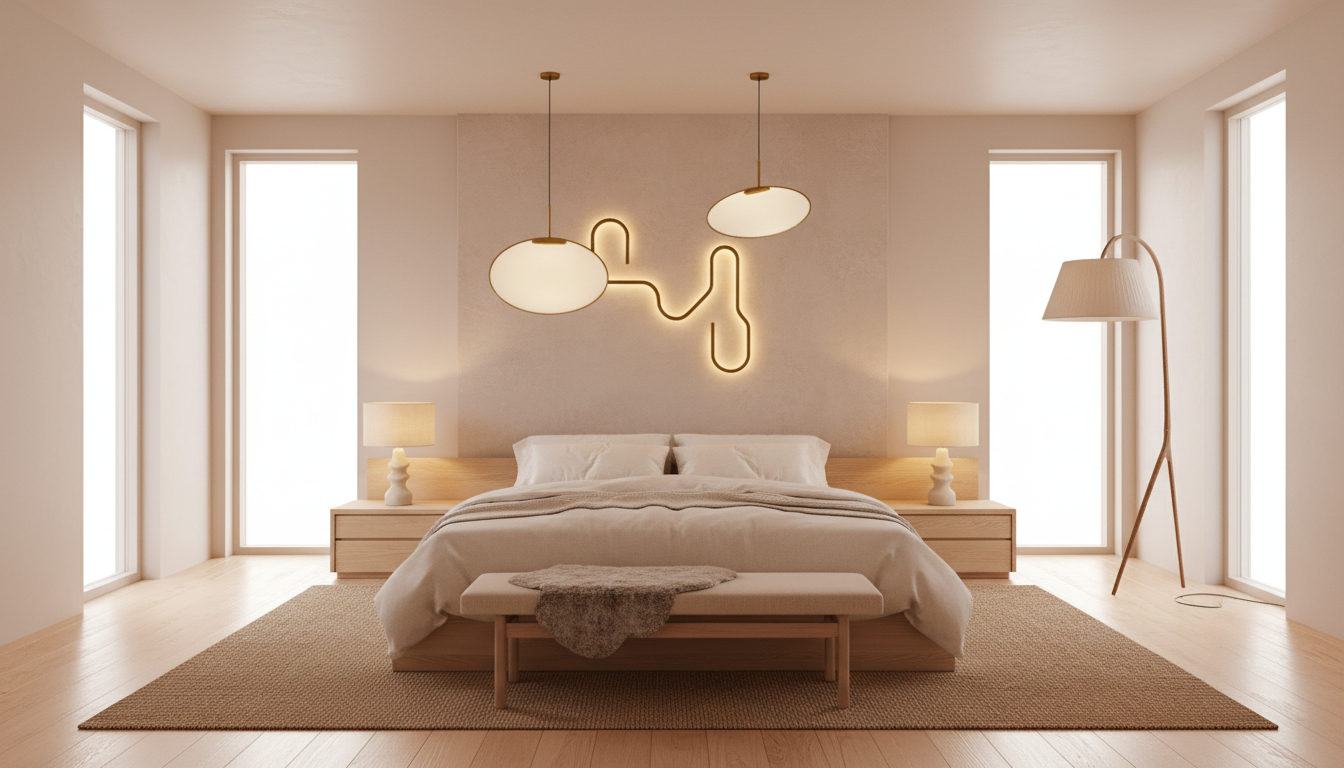
Designers often use digital art to complement other elements of interior design, such as furniture and lighting, to craft a cohesive and harmonious environment.
The Future of Digital Art in Design
The integration of digital art into interior design is only expected to grow as technology continues to advance. With innovations like augmented reality and virtual reality on the horizon, the possibilities for incorporating digital art into living spaces are endless.
As we look to the future, digital art promises to remain at the forefront of design trends, offering endless opportunities for creativity and expression.