
Digital Art vs. Traditional Art: What’s Right for You?


Understanding the Basics
Art has been a cornerstone of human expression for centuries, evolving alongside technology. Today, artists face a unique decision: digital art or traditional art? Both forms have their own merits and challenges, and the choice often boils down to personal preference and artistic goals.
Traditional Art: The Classic Approach
Traditional art refers to art forms that use physical materials like paint, canvas, and clay. It's rooted in history and offers tactile, hands-on experiences that many artists cherish. The texture of the canvas, the smell of the paint, and the physical act of creating are irreplaceable aspects of traditional art.
However, traditional art can also be limiting. It often requires more space, materials can be costly, and making corrections might involve starting over. Despite this, the uniqueness of each piece and the skill required can be highly rewarding.
Digital Art: The Modern Evolution
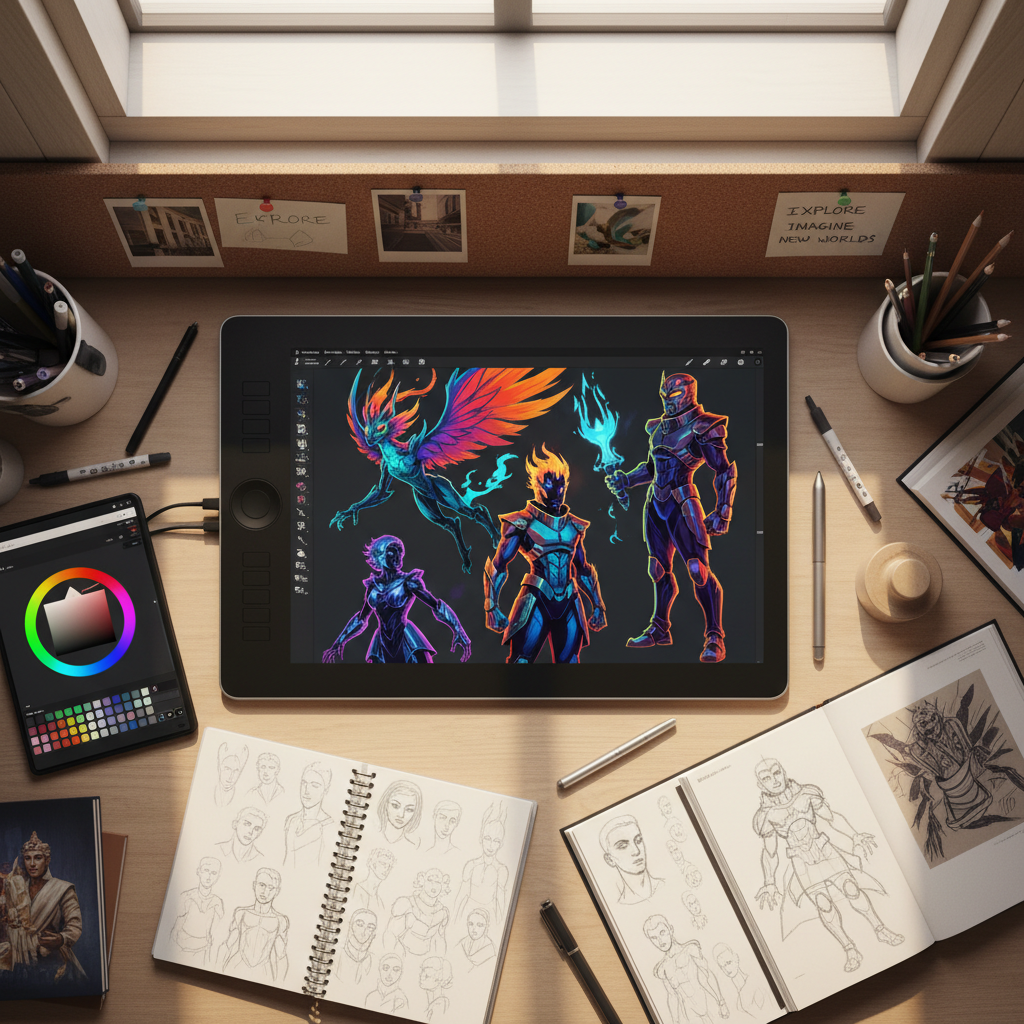
Digital art, on the other hand, utilizes technology to create with tools like drawing tablets and software. This form offers flexibility and innovation, allowing artists to experiment without the fear of making irreversible mistakes. It's cost-effective in the long run, as it eliminates the need for physical materials.
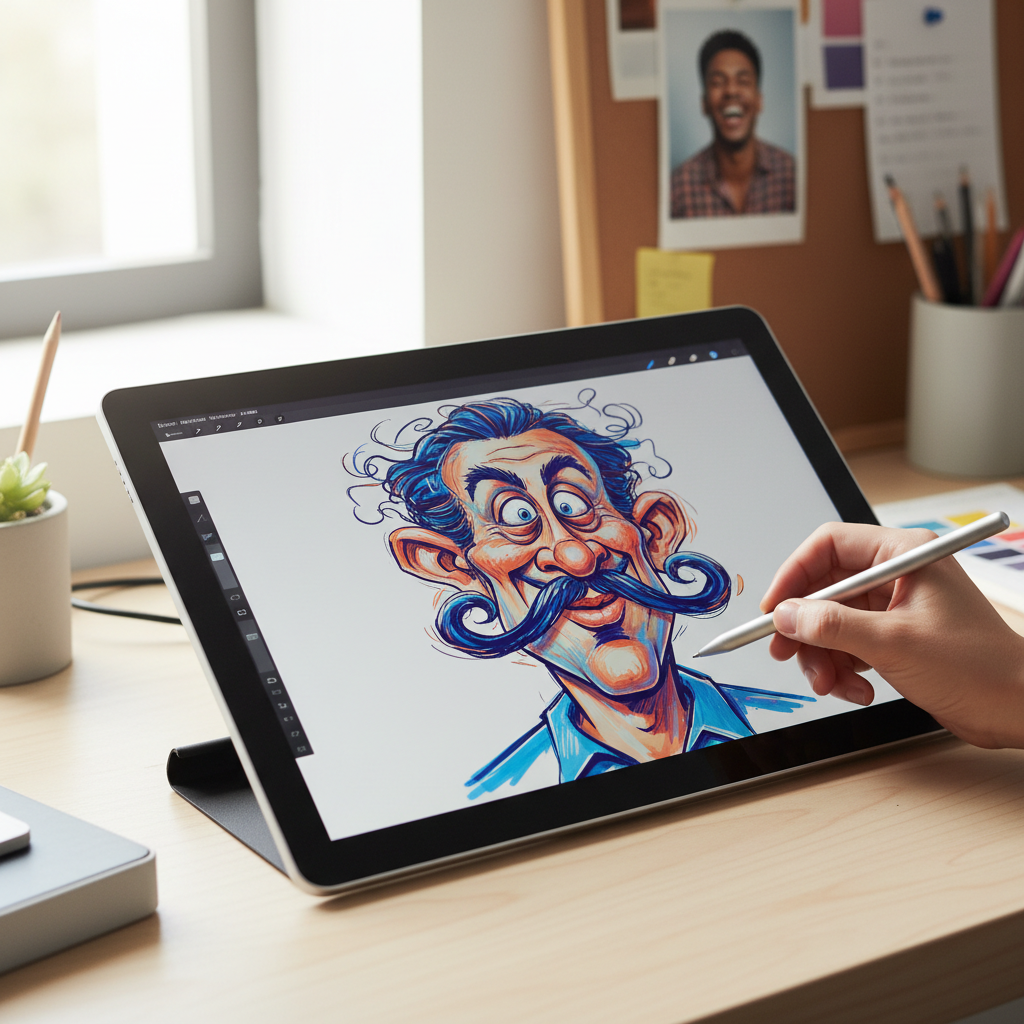
One of the significant advantages of digital art is its versatility. Artists can easily share their work online, reach a global audience, and even animate their creations. However, it lacks the tactile satisfaction and can be overwhelming due to the vast array of tools available.
Accessibility and Learning Curve
When considering accessibility, traditional art is often easier to start. Basic materials are readily available, and the techniques are straightforward. However, mastering traditional art can take years of practice.
Digital art can have a steeper initial learning curve due to the technology involved, but many find it more accessible over time as they become familiar with the tools. Online tutorials and communities can provide valuable learning resources.
Choosing What’s Right for You
Choosing between digital and traditional art involves assessing your personal goals and preferences. Consider what aspects of art are most important to you: the physical experience and historical connection of traditional art, or the innovative and versatile nature of digital art.
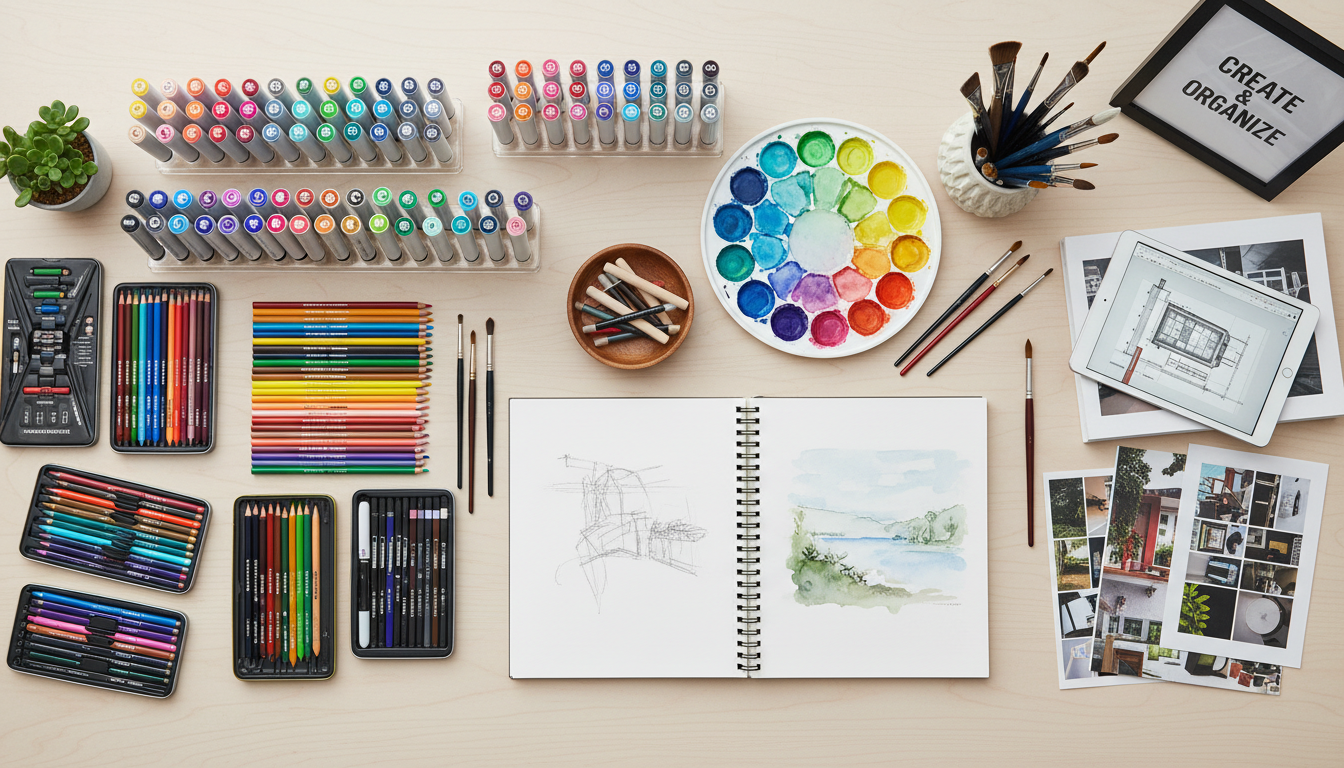
Many artists find a balance by incorporating both forms into their practice. This hybrid approach allows artists to enjoy the benefits of both worlds, using the strengths of each medium to enhance their artistic expression.
Conclusion: Embrace Your Artistic Journey
Ultimately, the decision between digital and traditional art is a personal one. Both forms offer unique opportunities for creativity and expression. By exploring each, you can discover what resonates with you and how best to convey your artistic vision.
Remember, art is about expression and growth. Whether you choose traditional, digital, or a blend of both, embrace the journey and let your creativity flourish.