
Digital Art vs. Traditional Art: Making the Right Choice


In the vibrant world of art, the debate between digital and traditional mediums is ongoing. Each style offers unique benefits and challenges, making the choice between them a personal journey for every artist. Whether you’re just starting out or looking to explore new avenues, understanding the differences can help guide your decision.
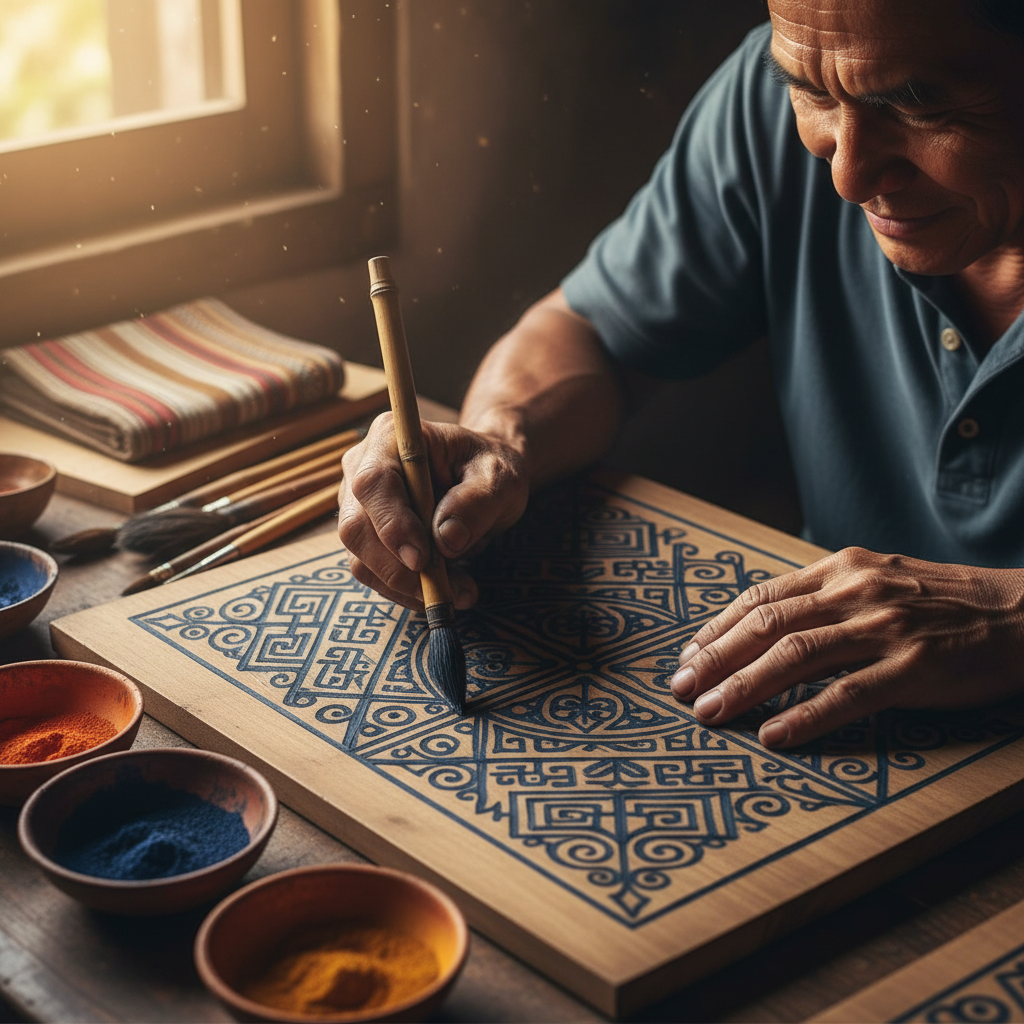
Understanding Digital Art
Digital art is created using technology. From tablets to sophisticated software, artists have a plethora of tools at their disposal. One of the standout features of digital art is its flexibility. Artists can easily edit, undo, and experiment without the fear of permanently altering their work.
Another significant advantage is the cost-effectiveness. While the initial investment in devices and software might be high, digital art eliminates the need for constant replenishment of physical supplies. Moreover, the ability to quickly share and distribute art online opens up opportunities for exposure and collaboration.
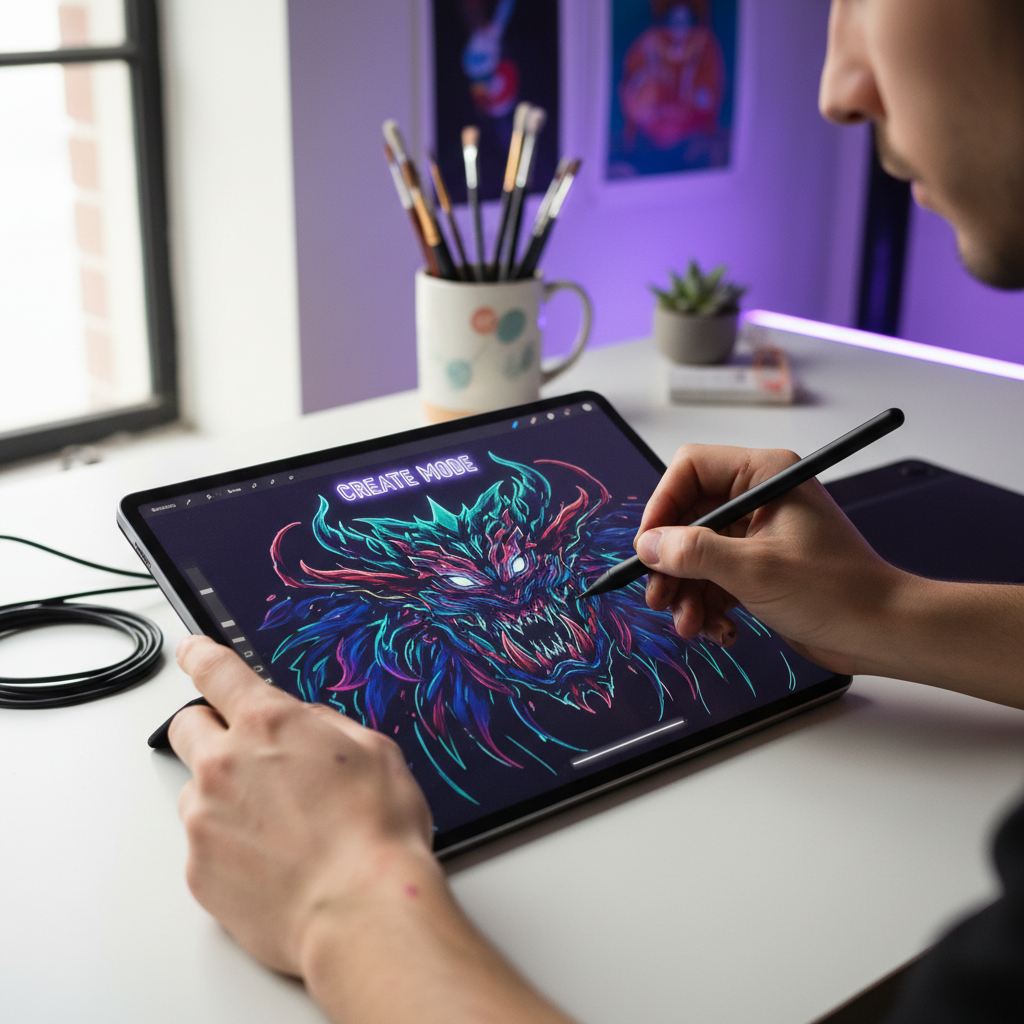
Advantages of Traditional Art
Traditional art remains timeless, offering a tactile experience that digital cannot replicate. The feeling of a brush on canvas or the texture of paper under a pencil is unique. Many artists find the process meditative, enjoying the physicality of creating art.
Additionally, traditional art often holds a sentimental value. Originals created by hand can have a personal touch that digital copies might lack. This can make traditional pieces more desirable in certain art markets, where the authenticity and uniqueness of the piece are paramount.
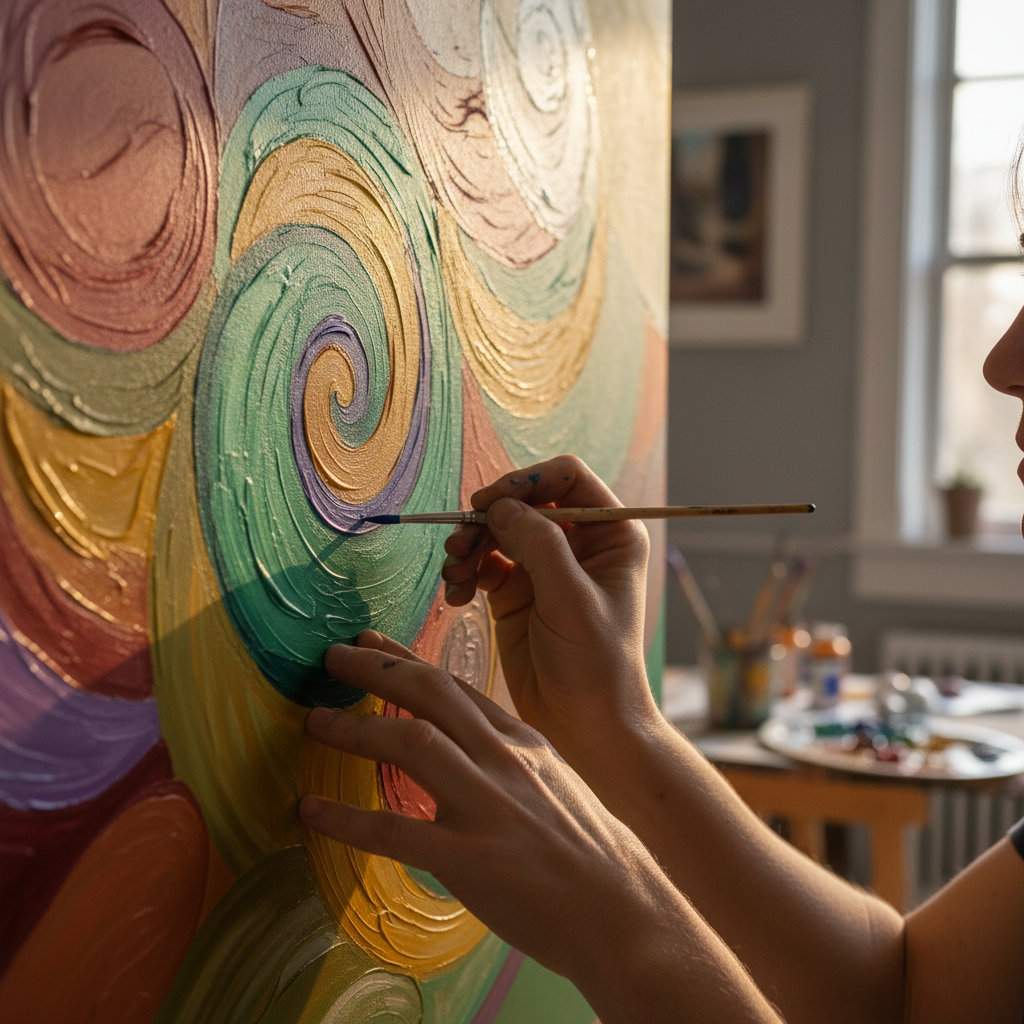
Choosing the Right Medium
The choice between digital and traditional art can depend on various factors:
- Purpose: Consider what you hope to achieve. Are you experimenting, or do you have a specific project in mind?
- Budget: Evaluate your financial resources. Digital art might be more cost-effective in the long run, while traditional art requires ongoing purchases of supplies.
- Space: Think about the space you have available. Traditional art can require more physical space for materials and storage.
Both mediums offer unique experiences and opportunities for creativity. The key is to explore and find what resonates with you personally. Many artists find a balance, incorporating both into their practice.
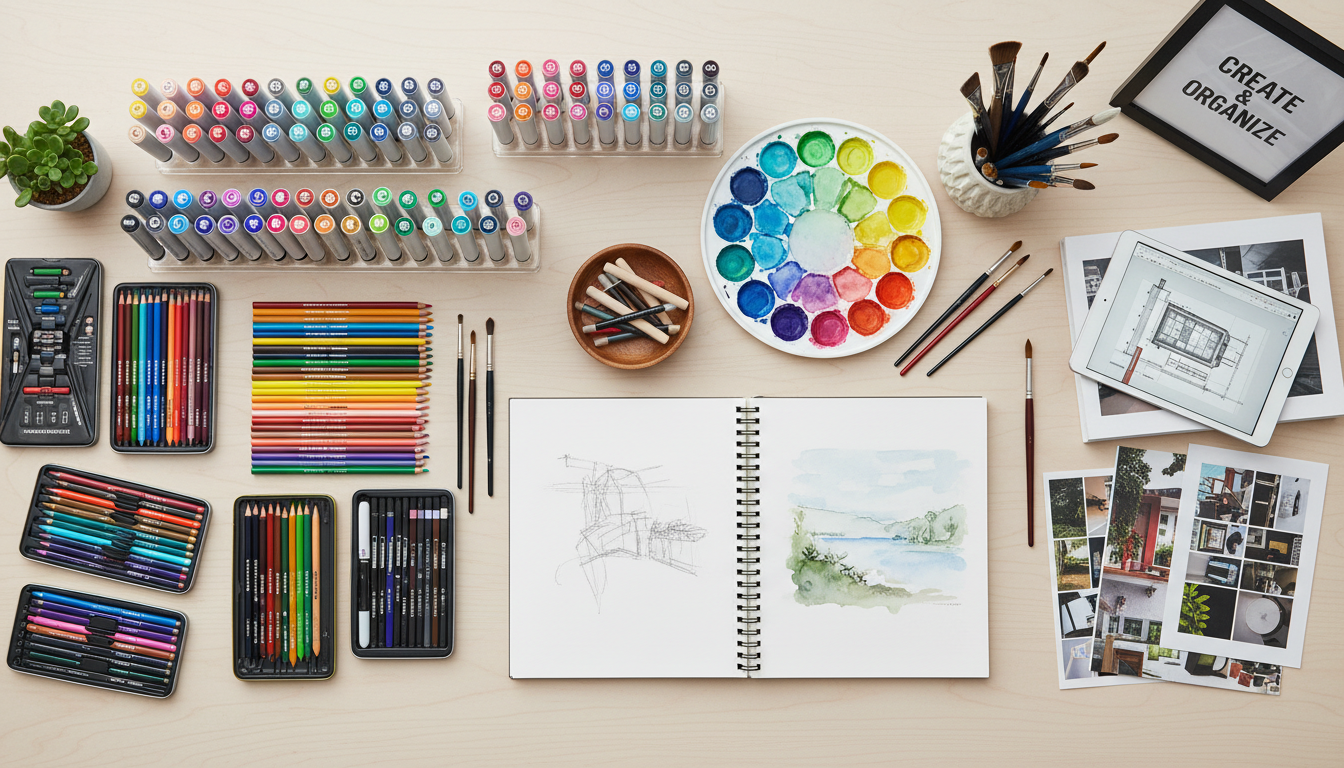
The Future of Art
The future of art is increasingly digital, with technology playing a crucial role in how artists create and share their work. However, the essence of traditional art continues to inspire and attract those who appreciate the tangible aspects of creativity.
Ultimately, whether you gravitate towards digital or traditional art, the most important thing is to express yourself and enjoy the process. Art is about creativity, exploration, and finding joy in expressing your unique perspective.